
About the Workshop
Our workshop on Human Progress and Flourishing invites internationally-renowned scholars and speakers from across the country to present research and engage in discussion with the Fargo-Moorhead community. The series focuses on solutions and policies that contribute to opportunity, innovation, and individual and societal flourishing.
All are invited to attend these free presentations and participate in a lively discussion. Seminars will be held every other Friday from 10 a.m. to 11 a.m. Central. Attendees are encouraged to join us in-person in the Beckwith Recital Hall or virtually on Zoom. Light food and refreshments will be provided after each seminar in the Challey School of Music Atrium.
Students of any major, undergraduate or graduate, can register for the 1-credit course BUSN 491/690. To join the class, email Tayt Rinehardt at tayt.rinehardt@ndsu.edu
*You do not need to enroll in the course or be a member of the NDSU community to attend the speaker presentations. Everyone is welcome.
Guests to campus are encouraged to park in the T2 lot, and can receive a parking validation code at our event check-in table. Please let us know if you need one.
Fall 2026 Speakers
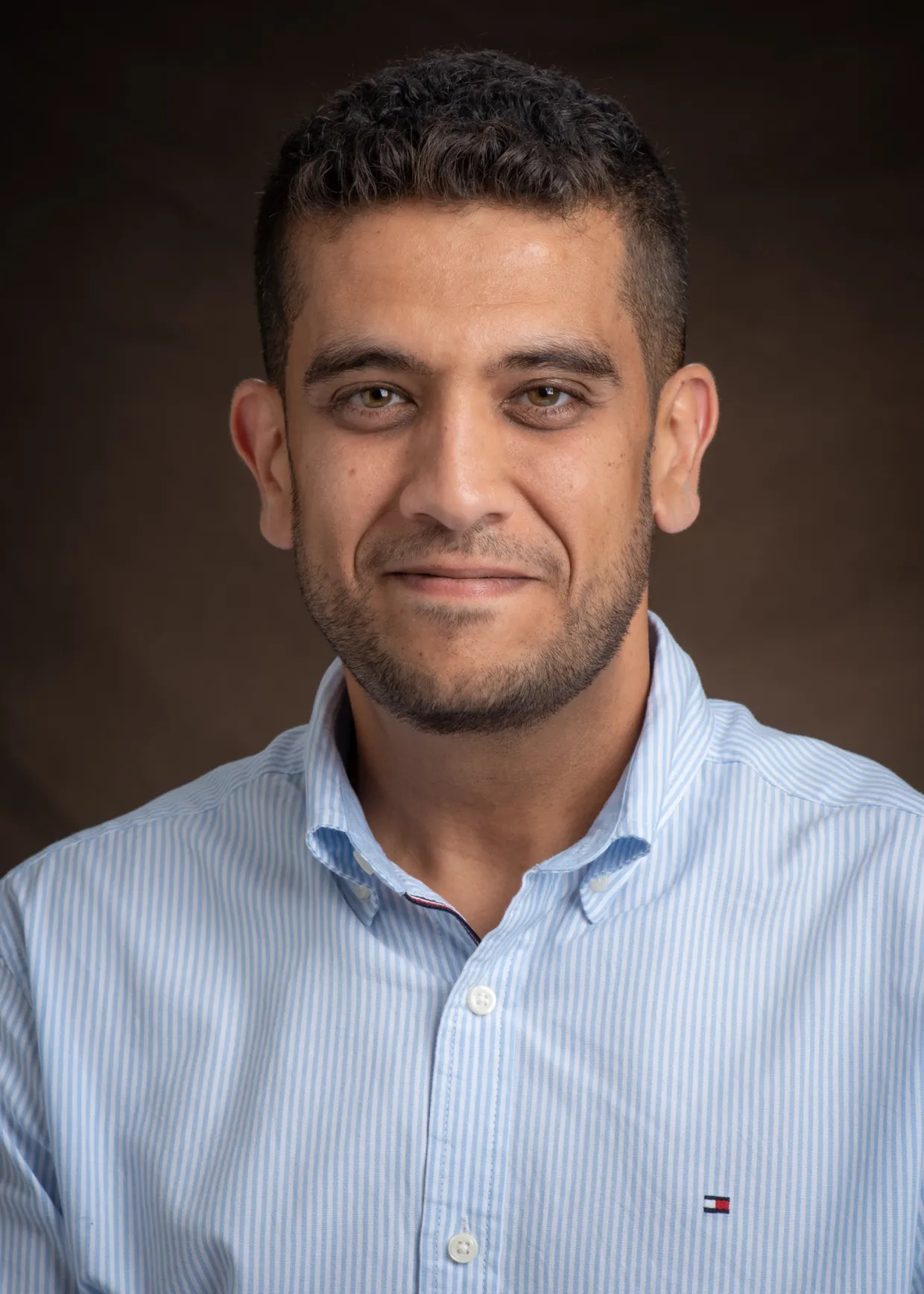
September 4 | Ahmad Al Asady
“Entrepreneurship During Conflict and Crisis”
Dr. Ahmad Al Asady is an Assistant Professor of Management in the Department of Management and Marketing and a Challey Institute Faculty Scholar at the NDSU College of Business. His research focuses on international entrepreneurship, institutions, corruption, and cross-border entrepreneurial behavior, with publications in journals including the Journal of World Business, Entrepreneurship Theory and Practice, Entrepreneurship & Regional Development, and the International Small Business Journal. He teaches Strategic Management, International Entrepreneurship, and Advanced Strategic Management at the undergraduate and MBA levels. Beyond academic publishing, he contributes public-facing commentary on entrepreneurship, international business, and trade through outlets such as The Hill, U.S. News & World Report, and the Washington Examiner.
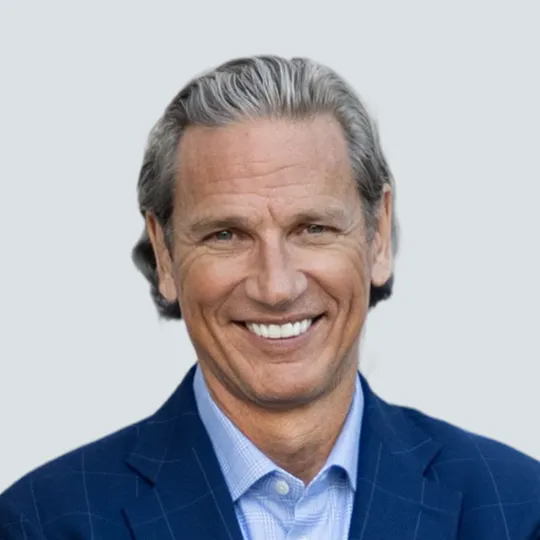
September 18 | Wade Myers
“Impact Investing: Funding Entrepreneurial Efforts At Addressing Big Problems”
Wade Myers is a serial entrepreneur, investor, author, and speaker that has founded, invested in, and been a director of 100+ startups and has completed scores of financing and M&A transactions. He is a general partner of the Eagle Venture Fund and multiple public equities and real estate funds. Wade’s entrepreneurial ventures include a tech-enabled investment bank, a SaaS-based big data company, a tech-enabled government services firm, and an Inc. 5000 SaaS-based property management firm. He also worked at the Boston Consulting Group and Mobil Corporation, and served as an Airborne Ranger in the US Army where he was a decorated veteran of the Gulf War. Wade is a Baker Scholar graduate of Harvard’s MBA program.
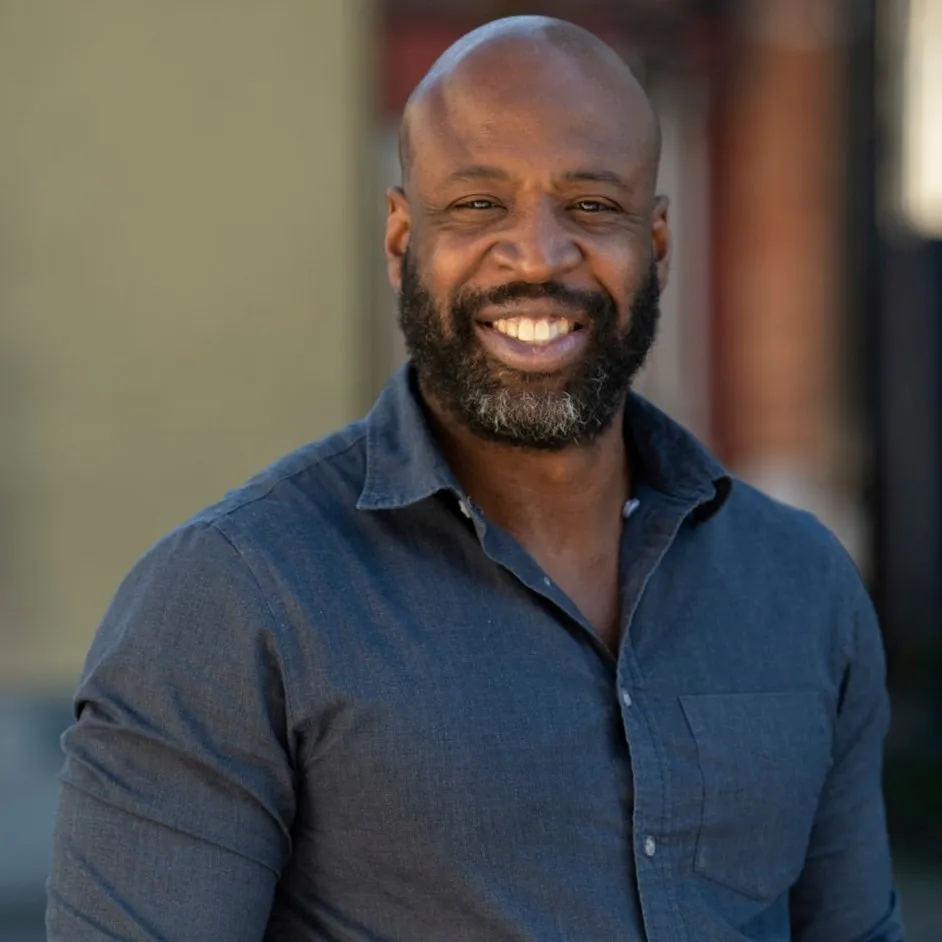
October 16 | Erec Smith
"The Rhetorical Significance of Mattering: Toward Reviving Civil Discourse"
Erec Smith is a research fellow at the Cato Institute and an Associate Professor of Rhetoric at York College of Pennsylvania. Although he has eclectic scholarly interests, his primary work focuses on the rhetorics of anti-racist activism, theory, and pedagogy as well as the role of rhetoric in a free, pluralistic, and civil society.
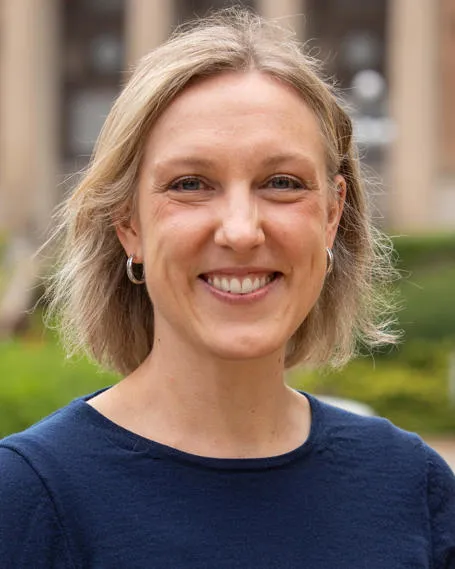
October 23 | Tessa Conroy
“The Rural Economy and Livability”
Tessa Conroy studies regional economic development with a commitment to developing practical and actionable knowledge for communities in Wisconsin and the rest of the U.S. Her research focuses on small business dynamics as a key component of local economic growth, including the factors that drive entrepreneurship and business survival. As she has studied entrepreneurship and business outcomes, she's become more and more interested understanding the gaps in business development and performance.
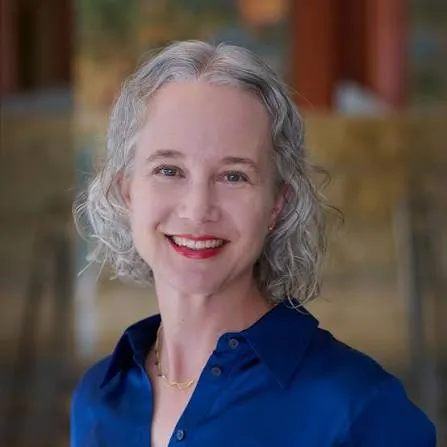
October 30 | Abigail Wozniak
“How Recovery From the Pandemic Shaped the Earnings Distribution in the U.S. and the Upper Midwest”
Abigail (Abbie) Wozniak is a labor economist and vice president at the Federal Reserve Bank of Minneapolis, where she serves as director of the Opportunity & Inclusive Growth Institute. Her research has examined migration between states and cities, employer compensation and screening policies, and sources of inequality in the labor market. Abbie has served in advisory and affiliate roles for numerous institutions, including the National Bureau of Economic Research, the Institute of Labor Economics at LISER (IZA@LISER), the Labor and Employment Relations Association (LERA), the W.E. Upjohn Institute, McKinsey & Company, and the EconJobMarket website. Her work has been featured regularly in the media, and she has been interviewed on Marketplace, National Public Radio, Bloomberg TV, and other outlets.
From 2014 to 2015, Abbie served as senior economist to the White House Council of Economic Advisers, working on labor economics issues. She was a visiting fellow at Princeton University in 2008–09 and the University of Chicago’s Becker Friedman Institute in 2017. She previously served on the faculty in the Department of Economics at the University of Notre Dame, where she earned tenure in 2013 and was named the Dannelly Distinguished Lecturer in 2025. She is a graduate of Harvard University (Ph.D.) and the University of Chicago (A.B.). She is a former associate economist at the Federal Reserve Bank of Chicago. She is also active on several board and volunteer efforts in the Twin Cities.
Dr. Wozniak will share an overview of the Income Distributions and Dynamics in America resource, including new features coming in late 2026. Using the new wave of statistics, she’ll show how earnings changed for individuals and households as the economy moved through and out of the pandemic. She’ll take questions on the analysis as well as how to use the IDDA resource.
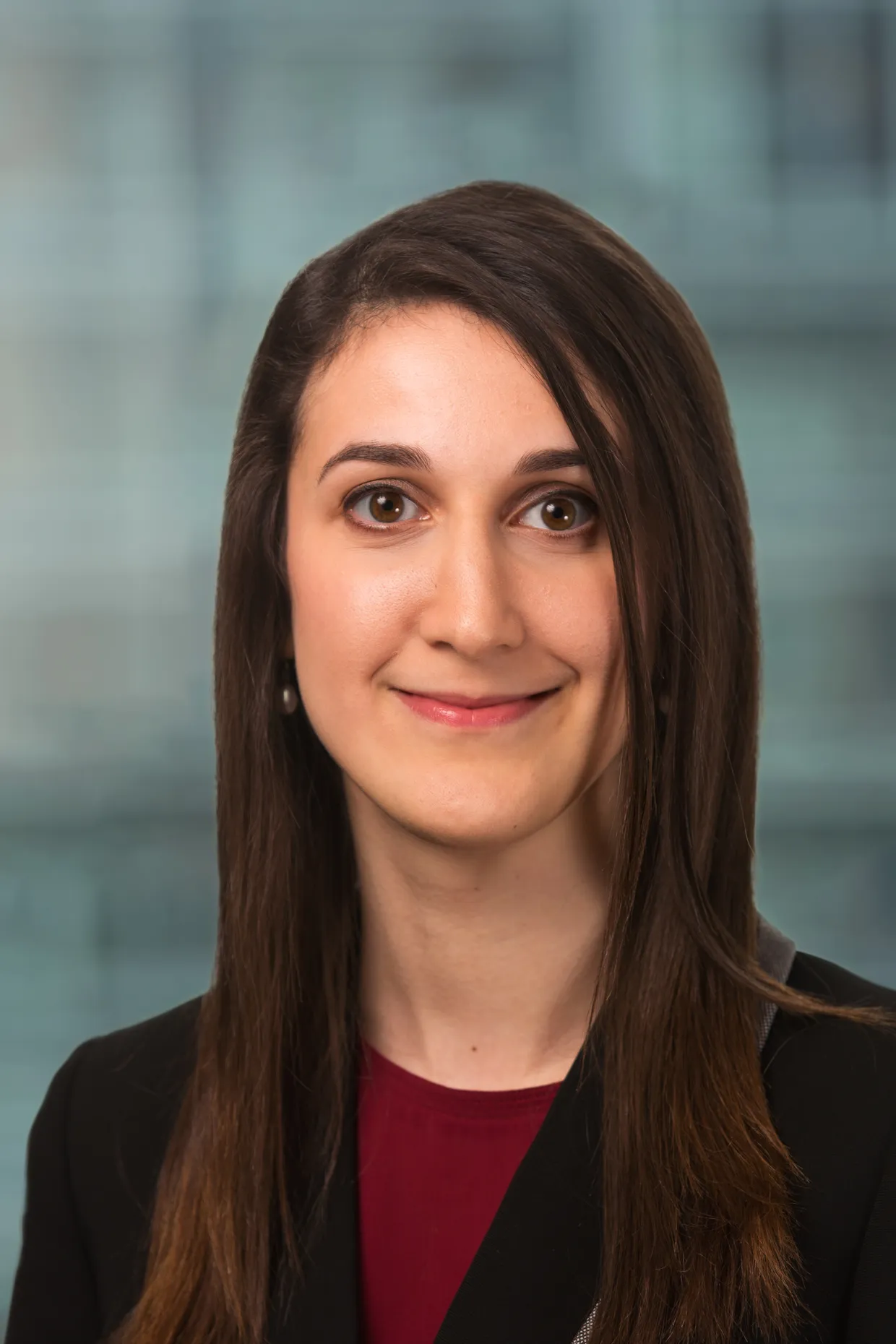
November 13 | Chelsea Follett
“The Grim Old Days: An Introduction to the Preindustrial Past”
Chelsea Follett is a research fellow at the Cato Institute’s Center for Global Liberty & Prosperity, working with HumanProgress.org. Her writing has been published in the Wall Street Journal, the Washington Post, USA Today, U.S. News & World Report, Newsweek, Forbes, The Hill, Business Insider, National Review, the Washington Examiner, and Global Policy Journal. She was named to Forbes’ 30 under 30 list for 2018 in the category of Law and Policy.
Follett earned a BA in government and English from the College of William & Mary, as well as an MA in foreign affairs from the University of Virginia, where she focused on international relations and political theory. She is also a visiting fellow at Independent Women.
This talk will center on her new book, "The Grim Old Days: An Introduction to the Preindustrial Past," which draws on examples of preindustrial life to share the benefits of modern life today. It covers the advances the world has made since the preindustrial era and shows how global trade, expanding economic opportunity, and the rise of civil society organizations over the centuries have helped move the world in a better direction.
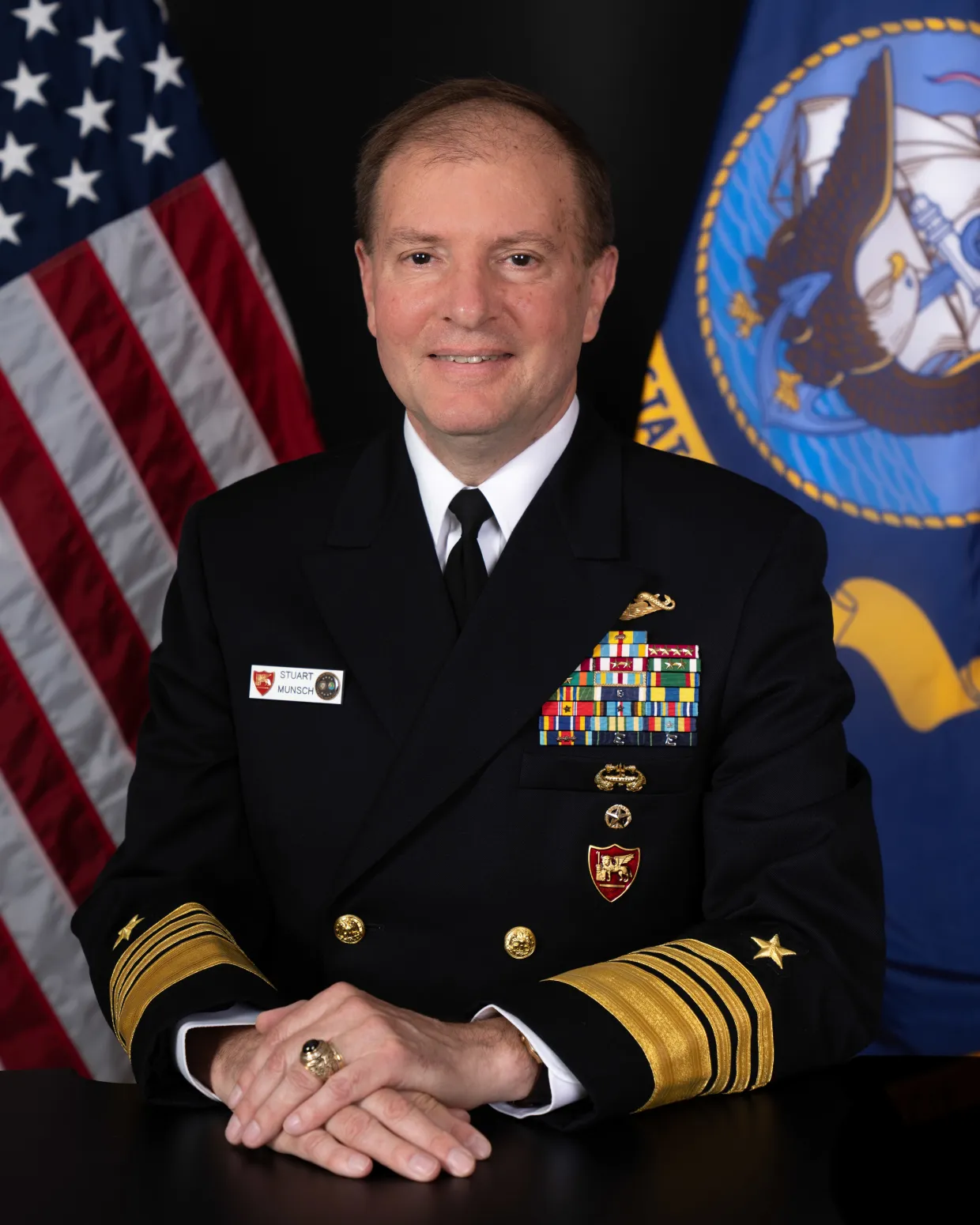
November 20 | Admiral Stuart Munsch
“Leadership and Flourishing”
Admiral Stuart Munsch is a retired United States Navy admiral who last served as the commander of United States Naval Forces Europe-Africa and commander of Allied Joint Force Command Naples.
He is a native of North Dakota and a 1985 graduate of the U.S. Naval Academy Annapolis, Maryland, with a Bachelor of Science in Electrical Engineering. While at the U.S. Naval Academy, he was brigade commander of his class and an All-American and national champion pistol shooter. He was selected for a Rhodes Scholarship and attended Oxford University and earned a Bachelor of Arts and a Master of Arts in Philosophy, Politics and Economics.
Munsch is a member of the Council on Foreign Relations, a U.S. Supreme Court Statecraft Fellow, Massachusetts Institute of Technology Seminar XXI Fellow and recipient of the U.S. Navy League's Decatur Award for operational excellence.
His awards include the Defense Distinguished Service Medal (two awards), Navy Distinguished Service Medal, Defense Superior Service Medal, Legion of Merit (five awards) and several unit awards shared with shipmates.
Past Speakers
Capitalism
January 23 | Siri Terjesen
“Capitalism vs. Cronyism and the Importance of Understanding the Difference”
Dr. Siri A. Terjesen is Associate Dean, Research & External Relations, founding Executive Director of the Madden Center for Value Creation, and Phil Smith Professor of Entrepreneurship at FAU, and Professor .2 at the Norwegian School of Economics (Norges Handelshøyskole: NHH) in Bergen, Norway.
Dr. Terjesen is an internationally recognized expert in business, higher education and philanthropy, and is amongst the world's top 2% most cited scholars (Clarivate), with over 22,000 citations to her three books and 100+ peer-reviewed articles. She has been PI or co-PI on $12min research grants and gifts over her career.
Dr. Terjesen has published in leading journals such as Academy of Management Review, Journal of Management, Business Ethics Quarterly, Journal of Business Ethics, Leadership Quarterly, and Strategic Management Journal. Her research is featured in media including Bloomberg, U.S. News & World Report, the Times, and CNBC. Dr. Terjesen is current editor of Small Business Economics, Industry & Innovation, and Beta, and an editorial review member of several top journals. Her op-eds have been published in The Hill, Newsweek, Washington Times, Daily Signal, City Journal, Epoch Times, and other outlets.
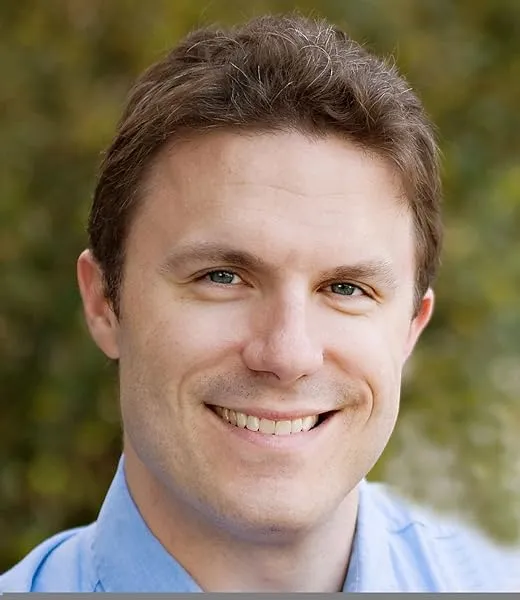
February 6 | Jason Brennan
“The Morality of Capitalism”
Jason Brennan (Ph.D., 2007, University of Arizona) is the Robert J. and Elizabeth Flanagan Family Professor of Strategy, Economics, Ethics, and Public Policy at the McDonough School of Business at Georgetown University. He specializes in politics, philosophy, and economics. He is the editor-in-chief of Philosophy & Public Affairs and an associate editor of Social Philosophy and Policy. He recently completed a $2.1 million project on "Markets, Social Entrepreneurship, and Effective Altruism," funded by the Templeton Foundation. In 2024, he was named one of the best undergraduate business professors by Poets and Quants. In 2022, Brennan received the Provost's Innovation in Teaching Award for his development of the Ethics Project, a student-directed experiential learning project.
He is the author of 20 books. His books have been translated 35 times (including forthcoming translations), into Arabic, Chinese, Spanish, French, Japanese, Portuguese, Turkish, German, Italian, Korean, Greek, Polish, Persian, Mongolian, Georgian, Ukrainian, Czech, and Swedish. Gegen Demokratie (Ullstein, 2017), the German translation of Against Democracy, was a Der Spiegel bestseller.
He has published over 60 articles in peer-reviewed journals, over 30 peer-reviewed chapters in edited anthologies, and over 50 articles for popular and trade audiences.
Immigration
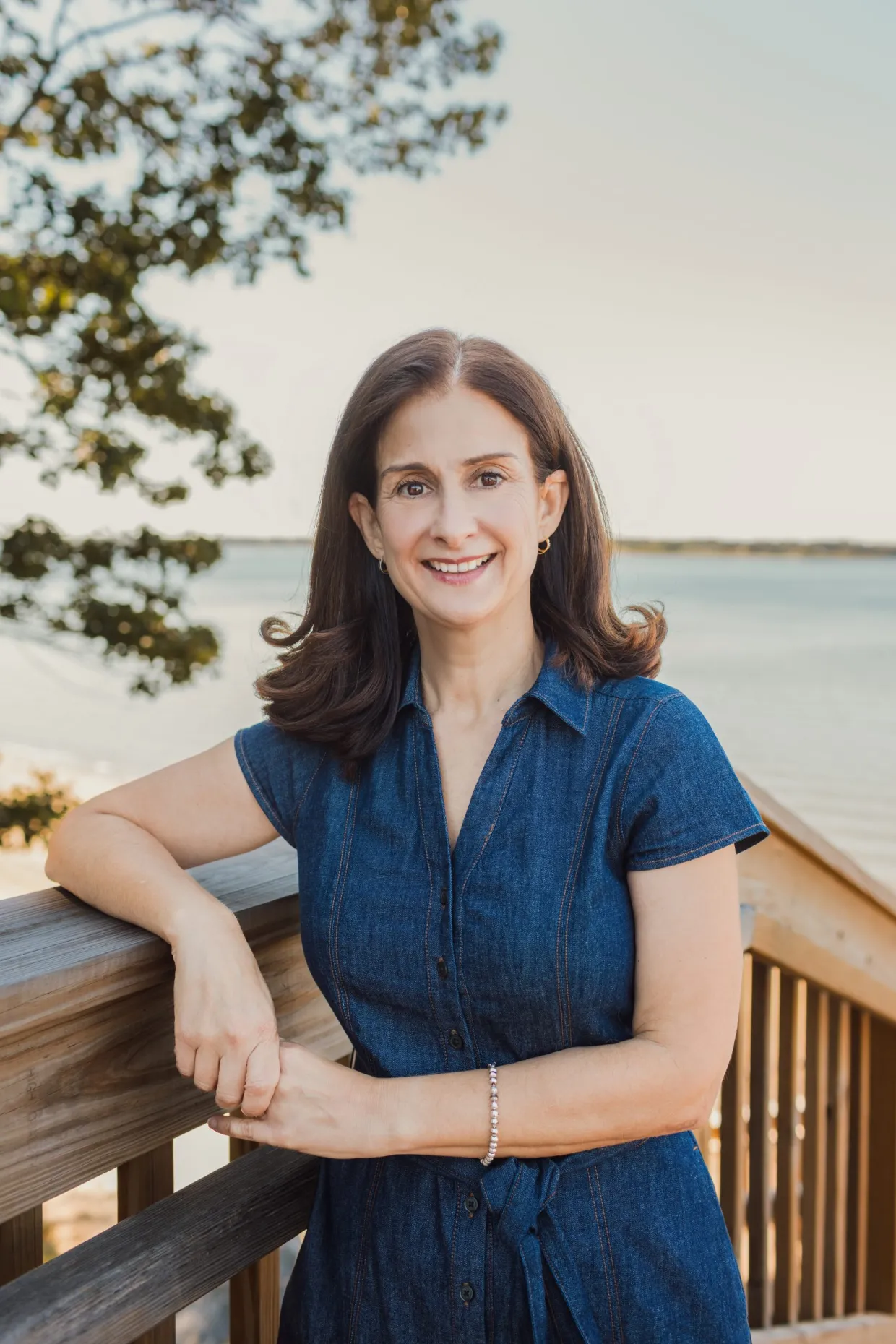
March 20 | Delia Furtado
“Immigration Policy, Long-Term Care, and an Aging U.S. Population”
Delia Furtado is a Professor of Economics at the University of Connecticut. Since earning her Ph.D. in Economics from Brown University, she has published extensively in the field of immigration in journals such as the Journal of Human Resources, American Economic Review (Papers and Proceedings), European Economic Review, and Demography. She is a research fellow of the Institute for the Study of Labor (IZA) as well as the Centre for Research and Analysis of Migration (CReAM).
Interested in the ways in which social interactions affect behaviors, Delia Furtado has studied topics that range from the causes and consequences of immigrant intermarriage to the role of culture in explaining divorce rates. She has also examined how low-skilled immigration impacts fertility and labor supply decisions of high skilled natives and the role of work norms and networks in explaining disability insurance take-up among immigrants. She has some work examining how restrictions on the number of H-1B visas affect career choices of international students studying in the United States. She also has several projects considering how immigrants help natives care for an aging population, both in nursing homes and in their own homes.
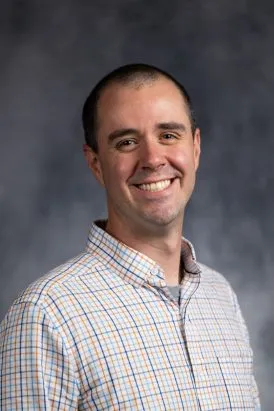
February 27 | Stephen Terry
“Studying the Economic Impact of Immigration”
Stephen Terry is an Associate Professor of Economics at the University of Michigan. He is an macroeconomist who studies firm investment, in particular the impact of micro-level frictions or mechanisms on long-term growth and business cycles. Stephen received his PhD in economics from Stanford University in 2015, is affiliated with the NBER, and previously served as an assistant professor at Boston University.
Laws, Policies, and Regulations Impacting Opportunity and Flourishing
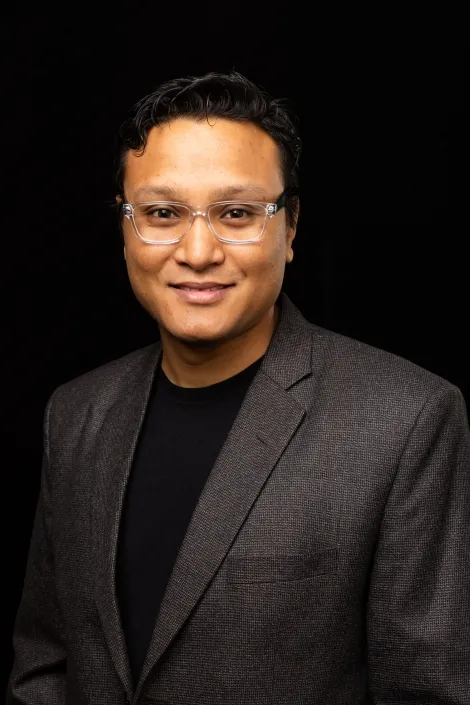
April 10 | Shishir Shakya
“State-Level Policies and Healthcare”
Shishir is an Assistant Professor at the Department of Economics, Walker College of Business, Appalachian State University. He is also a Research Fellow of the Knee Center for the Study of Occupational Regulation at West Virginia University.
He is an applied economist specializing in healthcare provider labor, licensing, and regulation markets. He is passionate about finding solutions that improve healthcare access and quality at reduced costs.
He uses various applied econometric, spatial, and policy evaluation techniques and supplement my empirical knowledge with the practice of technology-driven methods such as data-scrapping, big data, predictive, and causal machine learning approaches.
He has published in numerous peer-reviewed academic journals, including the World Development, Annals of Regional Science, Energy Economics, Contemporary Economic Policy, Drug and Alcohol Dependence, Spatial Economic Analysis, Applied Economics Letters, Journal of Labor Research, and others.
He teaches Business and Economic Statistics II and Timeseries Forecasting in Fall 2023. Previously, I have taught Regional Economics, Economic Analysis of Big Data, Principles of Economics, Macroeconomics, Managerial Economics, Business Data Visualization, and Elementary Business & Economic Statistics.
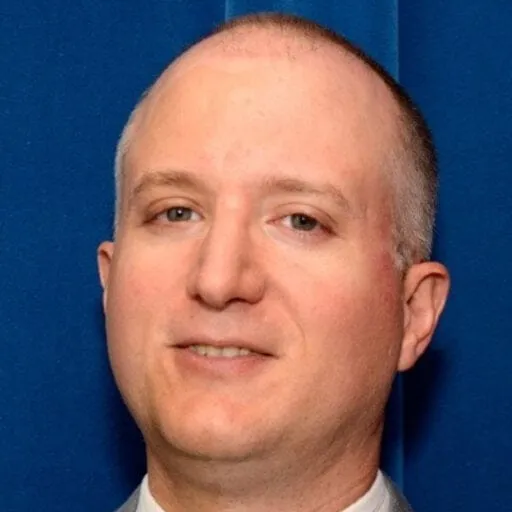
May 8 | Ed Timmons
“Occupational Licensing and Opportunity”
Edward J. Timmons, PhD, is Vice President of Policy at the Archbridge Institute. He leads the institute’s economic policy strategy, identifying focus areas and disseminating work to key stakeholders and policymakers. His own research focuses on labor economics and regulatory policy; he is regularly asked to provide expert testimony to U.S. states on occupational licensing reform and the practice authority of nurse practitioners. His work has been cited in top-tier scholarly journals, including The Journal of Law & Economics, The Journal of Regulatory Economics, The Journal of Labor Research, British Journal of Industrial Relations, Health Policy, and Health Economics. In addition, he has authored more than 100 articles for media publications, appearing in U.S. News & World Report, National Review, The Hill, Harvard Business Review, The Washington Examiner, and dozens of regional outlets. His research is frequently cited by the popular press and has been featured by the Federal Trade Commission, the Obama White House, and in a U.S. Senate hearing entitled “License to Compete: Occupational Licensing and the State Action Doctrine.” He publishes a weekly newsletter on Substack with the latest research and policy insights surrounding occupational licensing.
Dr. Timmons received his Ph.D. in economics from Lehigh University and his B.A. in economics and actuarial science from Lebanon Valley College. He was the founding director of the Knee Regulatory Research Center and is currently an affiliate at the Center for Healthcare Delivery Research and Innovations at Columbia University’s School of Nursing and a regulatory policy analyst at the Bluegrass Institute. In his spare time, he enjoys spending time with his wife and two sons, traveling, cooking, and closely following his beloved New Orleans Saints.